


Slots, Poker, and the Real Math: An iGaming Reality Check
Most people who sign up for an online casino account do it for the same reasons they buy a lottery ticket: the fantasy of a life-changing hit, the small th
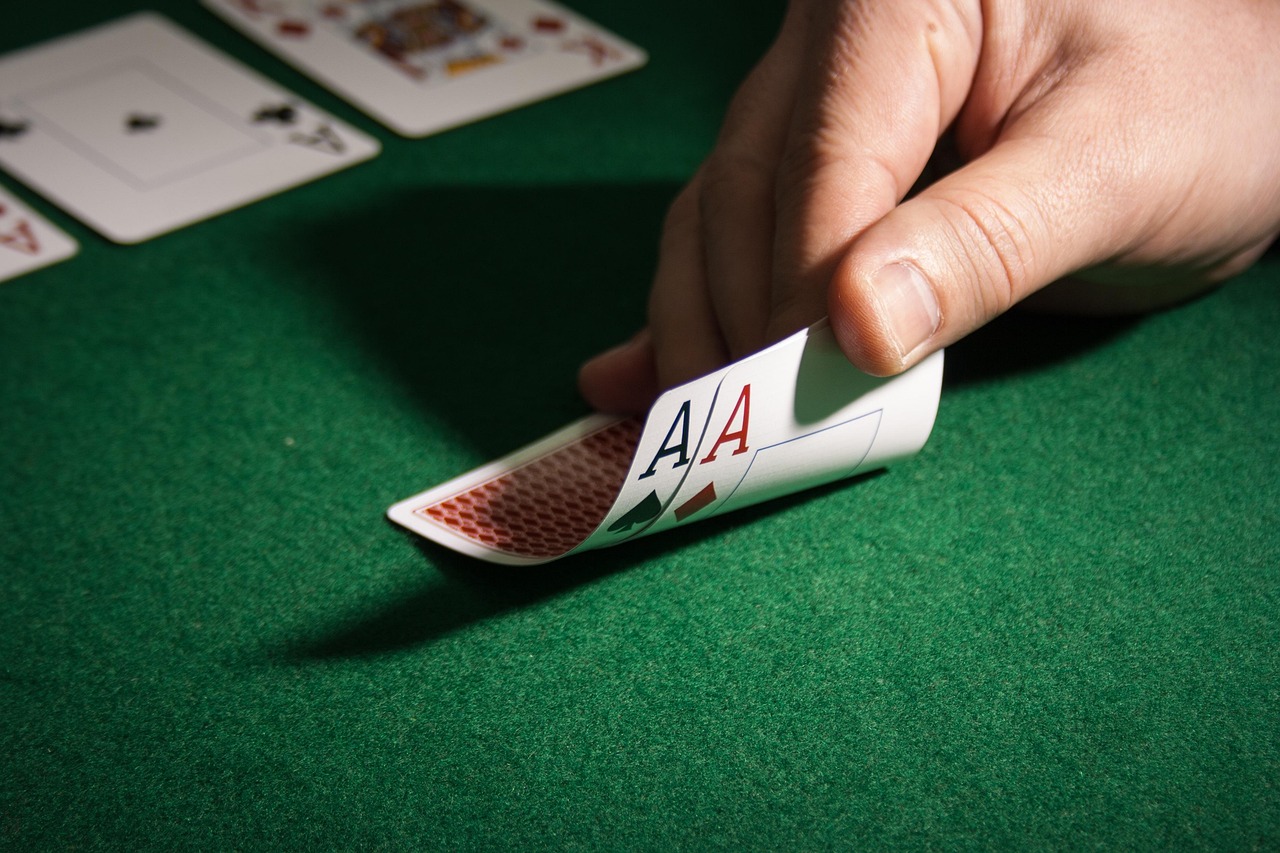
Most people who sign up for an online casino account do it for the same reasons they buy a lottery ticket: the fantasy of a life-changing hit, the small thrill of a spin, or the rush of a bluff that goes right. What almost nobody does before depositing is sit down and actually learn how the math behind the machines works. That gap between hope and arithmetic is where the entire iGaming industry lives, and understanding it is the difference between entertainment and regret.
Why Slot RTP Isn't the Whole Story
Every licensed online slot advertises an RTP, or return-to-player percentage. A game with 96% RTP theoretically returns 96 cents for every dollar wagered over millions of spins. The number looks reassuring until you realize that so-called "high-volatility" slots at 96% can still eat your entire bankroll before delivering anything meaningful. Two slots with identical RTPs can behave completely differently depending on variance.
Take Starburst, a low-volatility classic at roughly 96.1%. It pays frequently, often in fractions of your stake. Compare that to Book of Dead at around 96.2%, which can go dozens of spins without a win but offers a massive upside when the free-spins round hits. Same RTP ballpark, radically different session experience.
The practical takeaway: More background can be found at สล็อตเว็บตรง.
- Check the RTP before playing, but check volatility too.
- Low volatility suits long sessions with small stakes and a tight bankroll.
- High volatility suits short sessions with a stake you can afford to lose entirely.
- Never trust a game with an RTP below 94% unless it offers something exceptional.
A slot running at 85% RTP (some unregulated games do) is effectively bleeding you at three times the rate of a fair one. That gap over a few hundred spins is the real house edge narrative.
Poker Is the Only Game You Can Actually Beat
Every casino game pits you against the math. Poker is different. In Texas Hold'em, you are not fighting the house; you are fighting other players, and the house only takes a small cut, the rake, typically 5% up to a cap around £3 or £5 per pot. That's a totally different equation.
This is why poker is considered a skill game. A solid player who understands position, reads hands, and manages bet sizing can hold a win rate of 5 to 10 big blinds per 100 hands at lower stakes. A terrible player loses at a similar rate. Over thousands of hands, that difference compounds into meaningful results. Slots cannot offer this. No amount of pattern recognition changes the fact that each spin is an independent, random event.
If you want to actually grow a bankroll rather than pay for thrills, poker tournaments at micro stakes are worth exploring. A £11 sit-and-go with 9 players can net £45 for first place, and there's genuine decision-making involved at every stage. That's not to say it's easy; the learning curve is steep and bankroll management is unforgiving. But it's the one corner of the casino where edge exists.
The Sports Betting Trap Nobody Talks About
Sports betting gets framed as knowledge-based because you can follow teams, stats, and injury reports. That framing is mostly a marketing illusion. Bookmakers build in a margin, often called the overround, into every market. In a standard two-way market, a fair 50/50 outcome should price both sides at 2.00. Real books price them at 1.91 each, meaning the implied probabilities add up to roughly 104.7%. That extra 4.7% is the book's built-in profit.
Beating that margin consistently is possible but rare. Sharp bettors make up an estimated 1 to 2% of all sports bettors. Everyone else is essentially paying entertainment tax. This matters for how you use promotions. A £20 free bet at 1.91 odds on a coin-flip outcome has expected value around £18.20, but only because the stake is free. Take the free bet, do the math, and don't confuse promotional value with a long-term strategy. Chasing odds and "sure things" is how bankrolls disappear.
Bankroll Management: The Boring Discipline That Actually Matters
If there is one habit that separates casual players from people who don't end up regretting their account statements, it's treating your money as a fixed, separate fund. Call it a bankroll and never refill it on impulse.
- Decide the total amount you're comfortable losing each month. Deposit only that.
- Break it into session units. If you deposit £100, don't put it all on one spin.
- Set a stop-loss. If you lose 50% of a session bankroll, walk away for the day.
- Set a stop-win too. It sounds strange, but walking at double your stake prevents the classic "give it all back" collapse.
- Track results. A simple note on your phone each session reveals more than any betting tip.
Players who track their outcomes almost always overestimate how often they win. That single fact reveals why bankroll rules exist: they protect you from your own memory bias.
The Regulation Landscape Is Not a Formality
Where you play affects everything. Regulated markets like the UK (UKGC), Malta (MGA), and a growing list of US states enforce strict auditing on RNGs, mandate clear RTP disclosure, and require operators to offer deposit limits, cooling-off periods, and self-exclusion tools. Unregulated offshore sites often ignore all of it.
The contrast is stark. A licensed operator must run random number generators through independent testing labs and submit regular compliance reports. An unlicensed site can nudge RTP downward, use ambiguous bonus terms, or drag out withdrawals for weeks. When choosing where to play, the licence matters more than the welcome bonus. A 96% RTP game on a licensed platform is worth more to you than a 95% game with a £500 bonus you'll never legally clear.
The Bottom Line on iGaming
The iGaming world rewards two kinds of people: those who treat it as pure entertainment with firm financial boundaries, and the rare few who actually put in the analytical work on games like poker where edge can be built. Everyone else is funding the party. That's not a moral judgment; it's the structure of the industry itself. The smart play, if you're going to play, is to understand which category you're in before you click deposit, not after. Know the RTP, respect the variance, set your limit, and treat the house edge with the respect it deserves. The game is always more enjoyable when you're playing on your own terms.


Post a comment